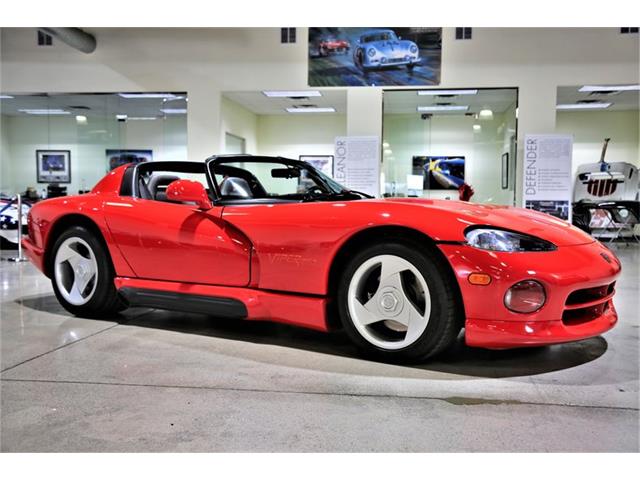
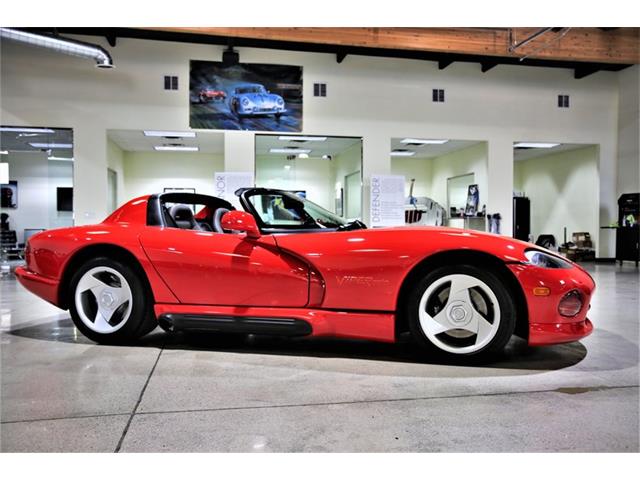
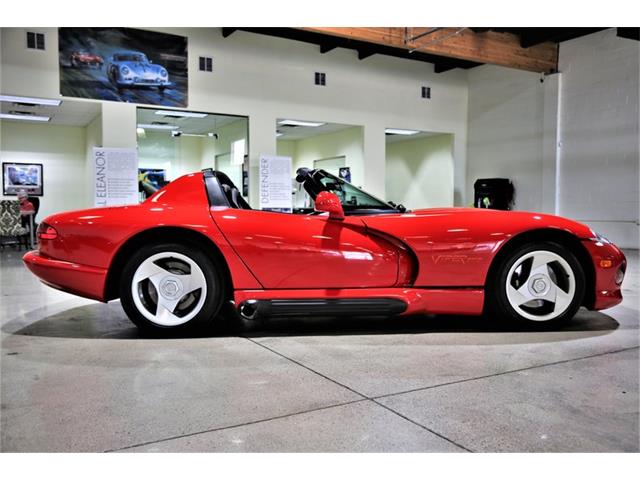
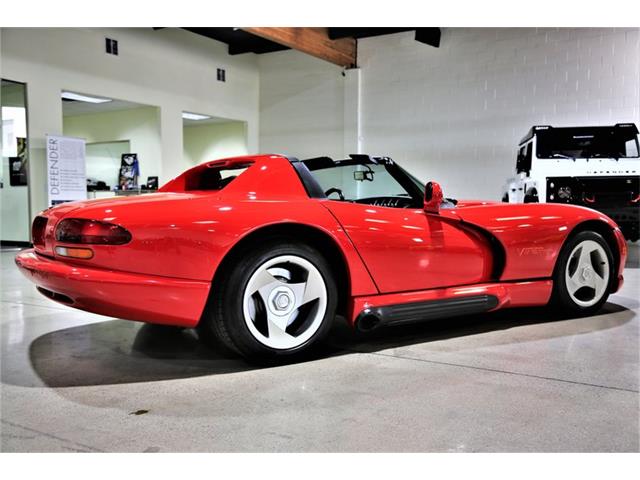
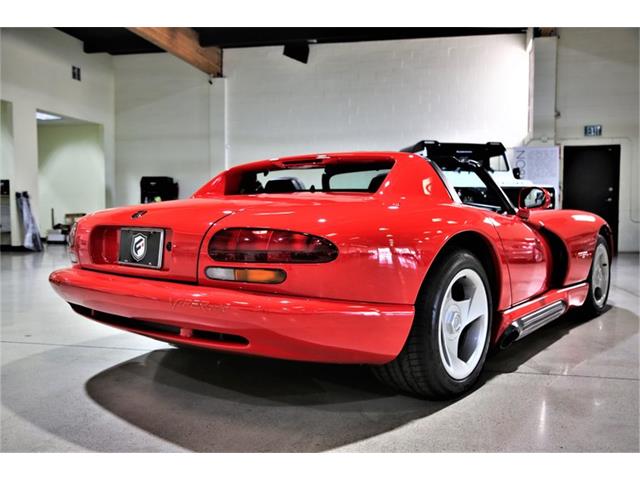
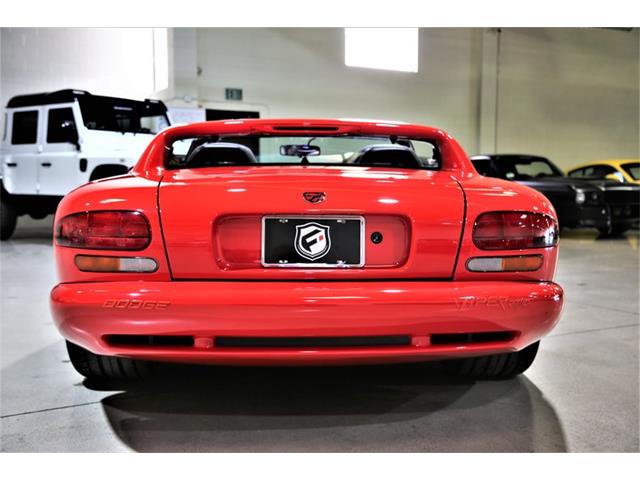
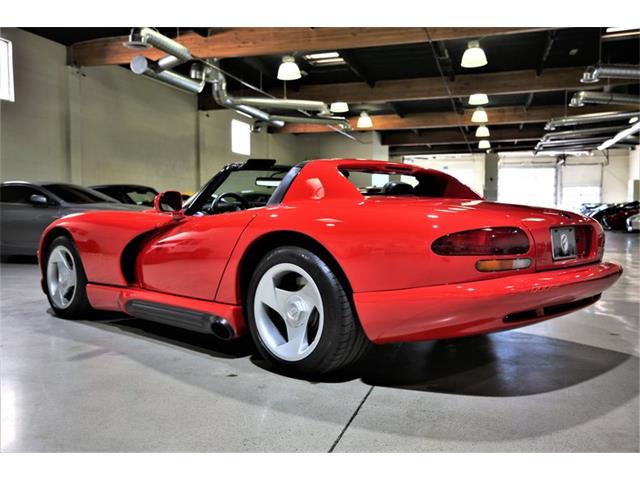
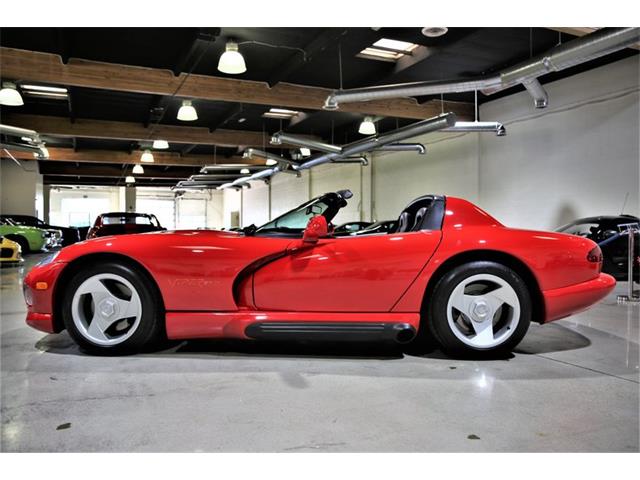
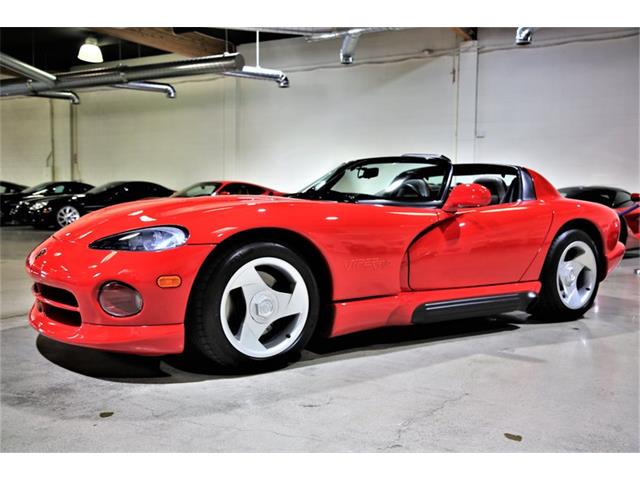
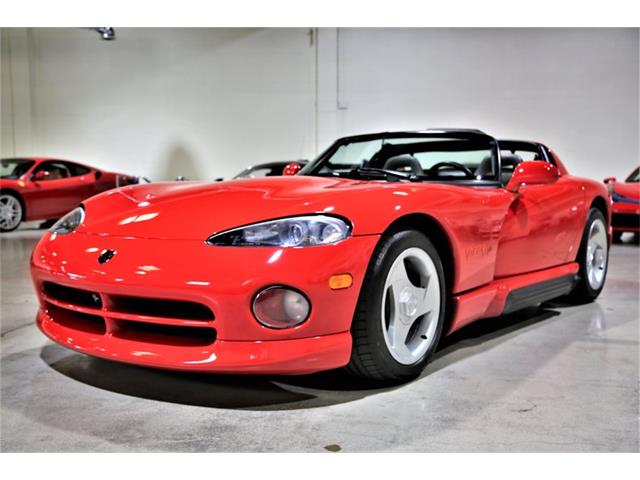
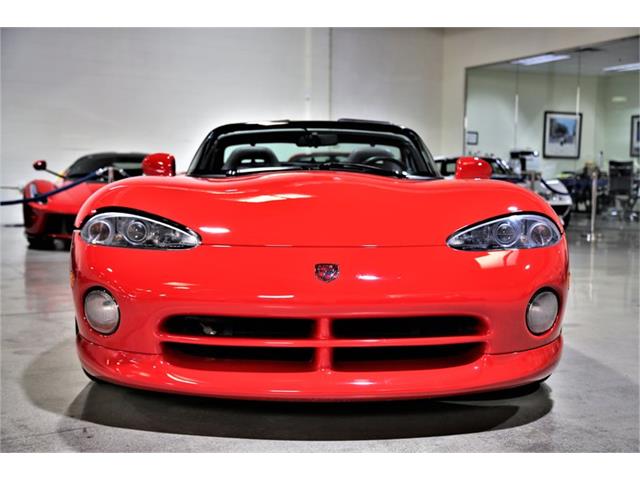
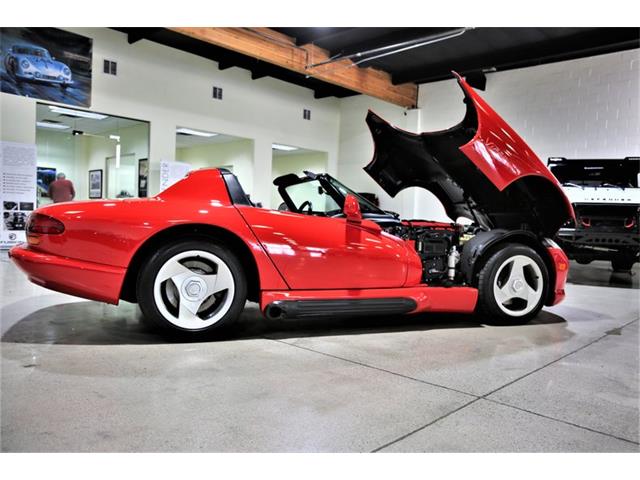
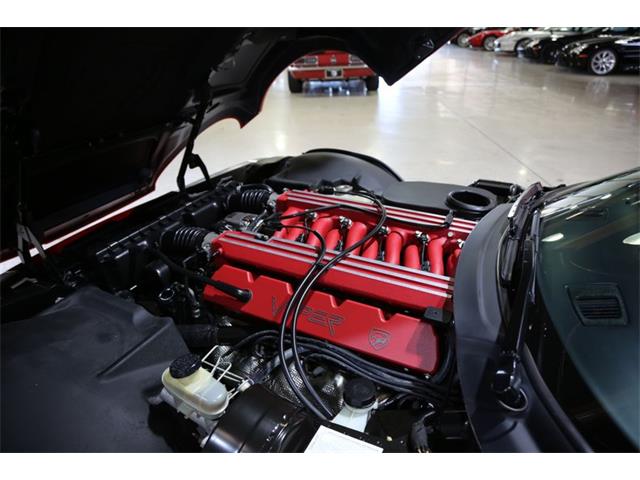
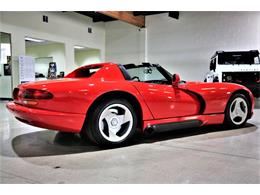
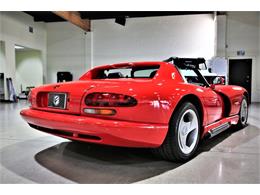
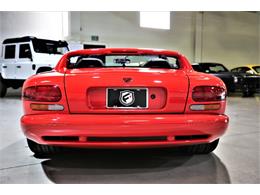
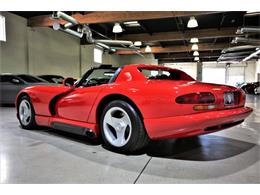
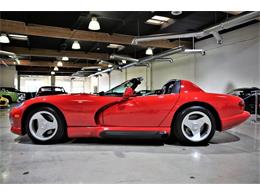
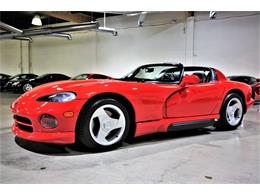
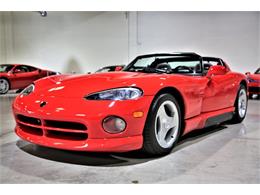
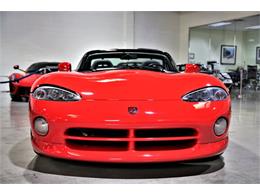
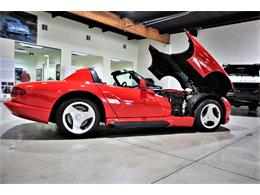
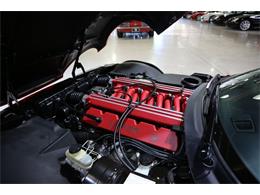
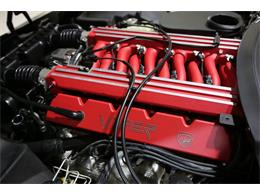
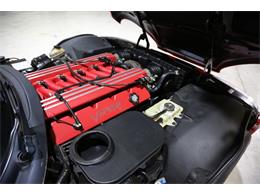
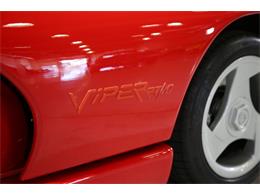
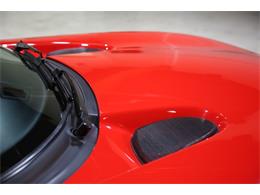
The first generation Viper is as raw and analog as it gets and
considered by many to be due for meaningful appreciation as the
Viper has been discontinued and fewer and fewer raw cars are
available.
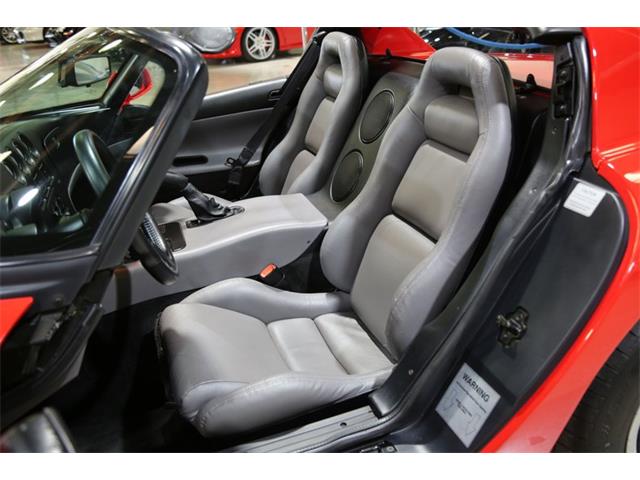
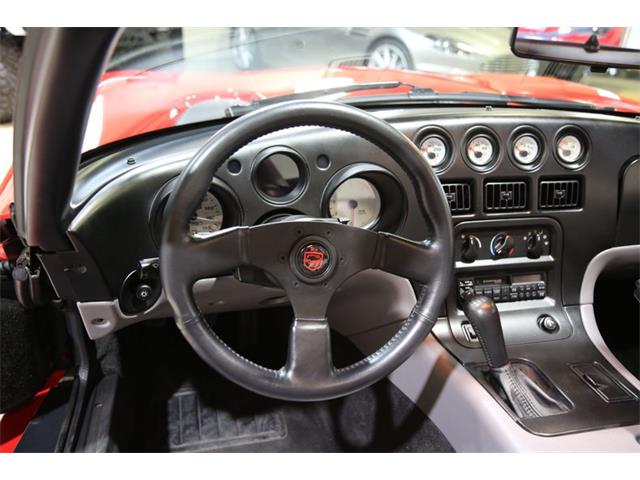
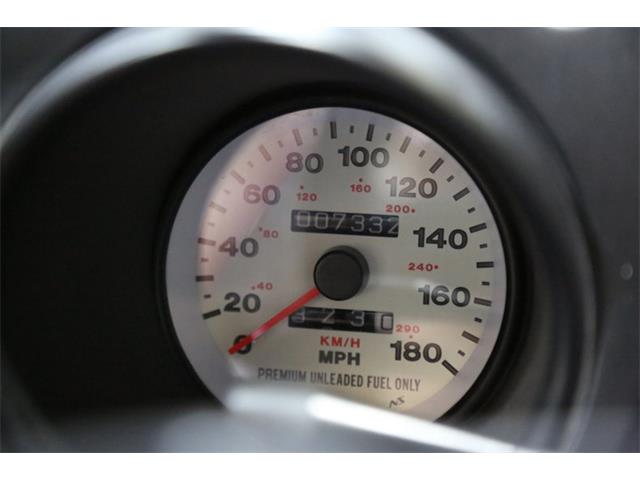
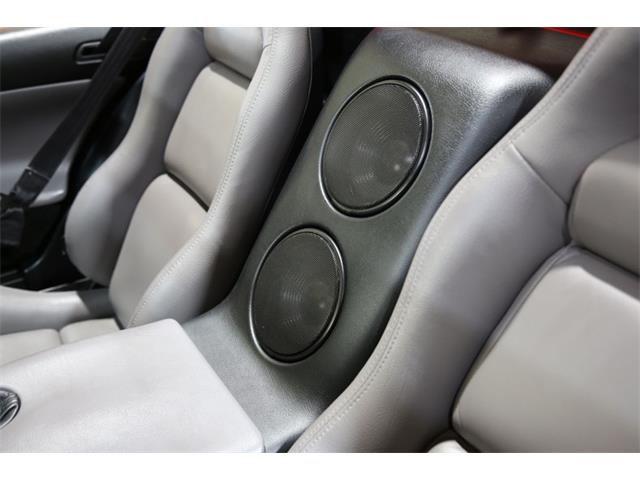
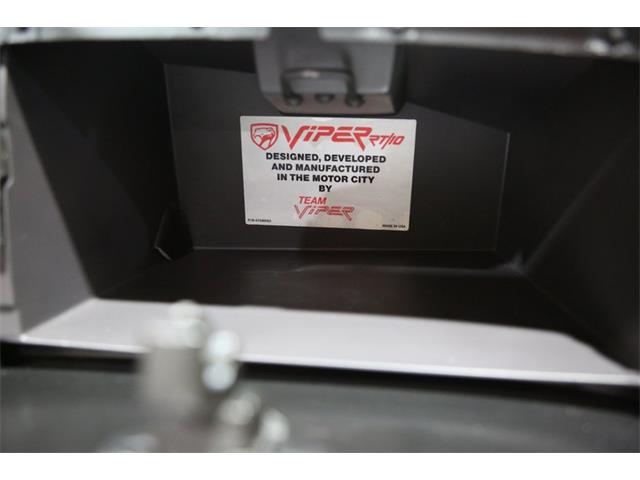
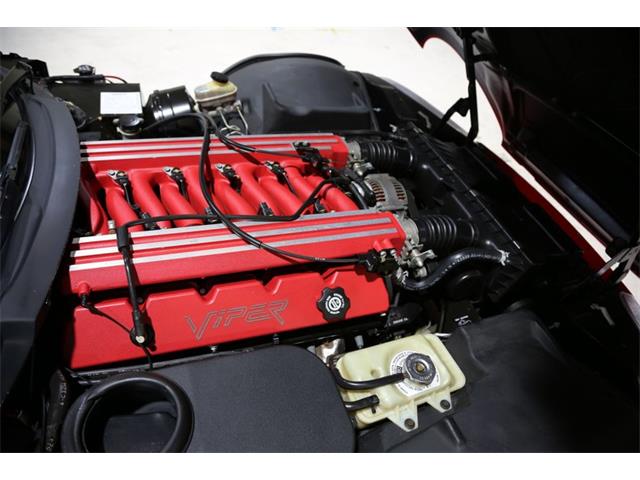
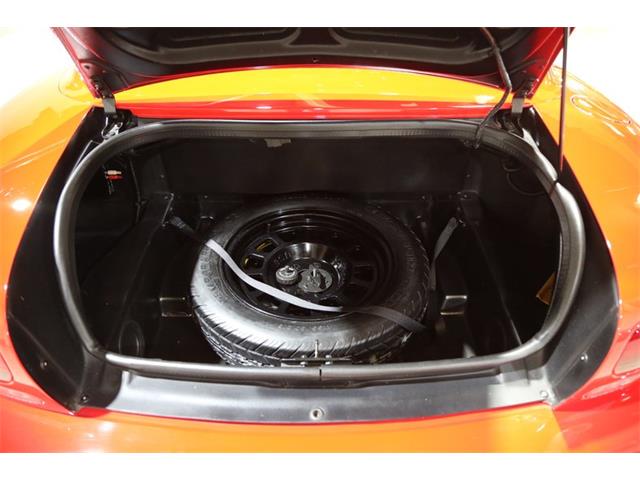
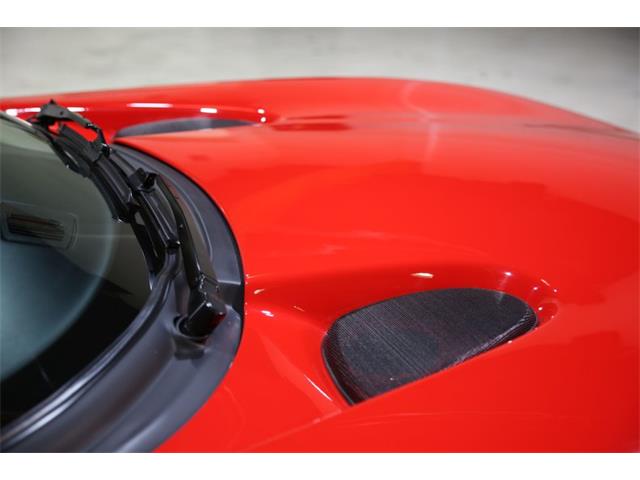
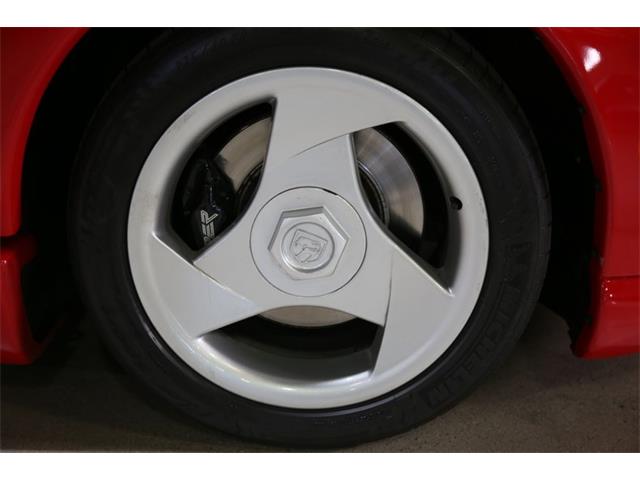
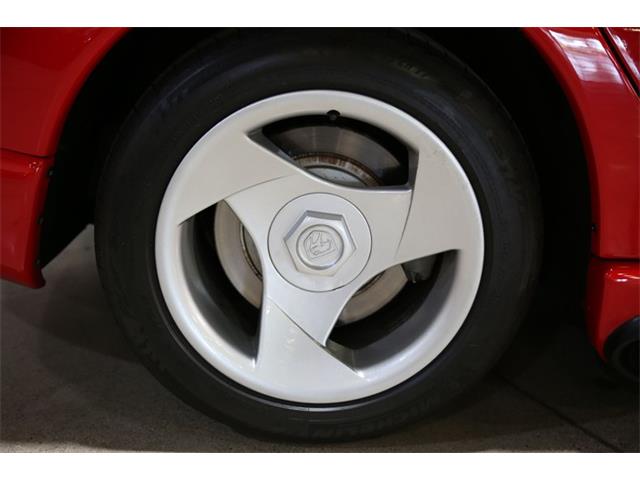
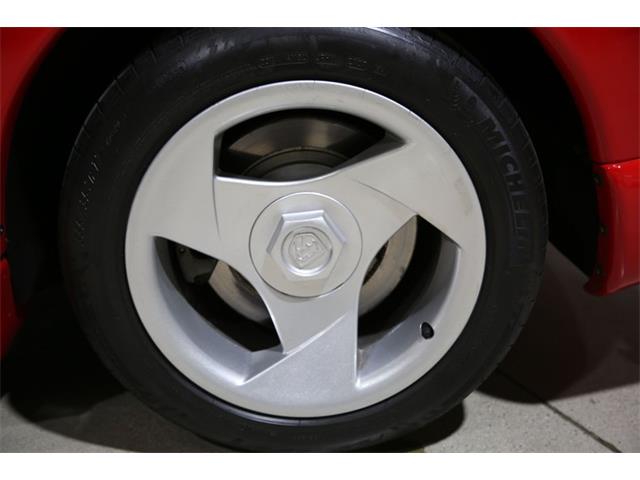
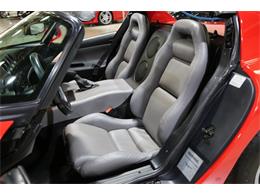
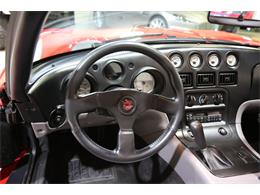
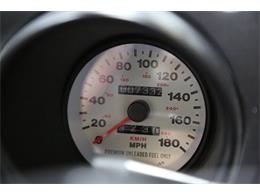
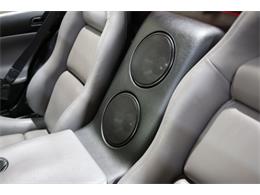
With just over 7,300 miles, this Viper presents extremely well and
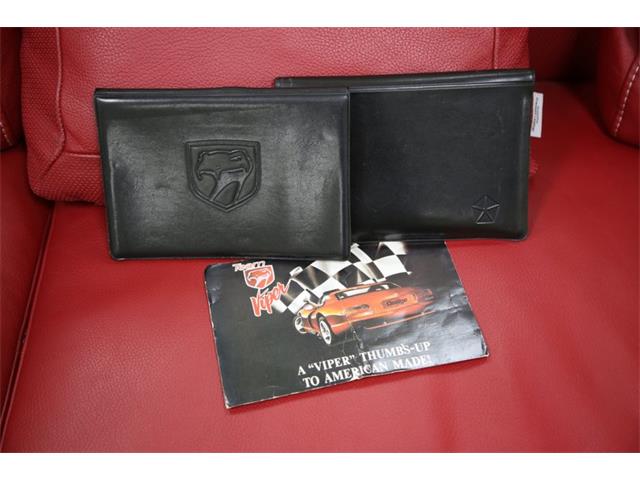
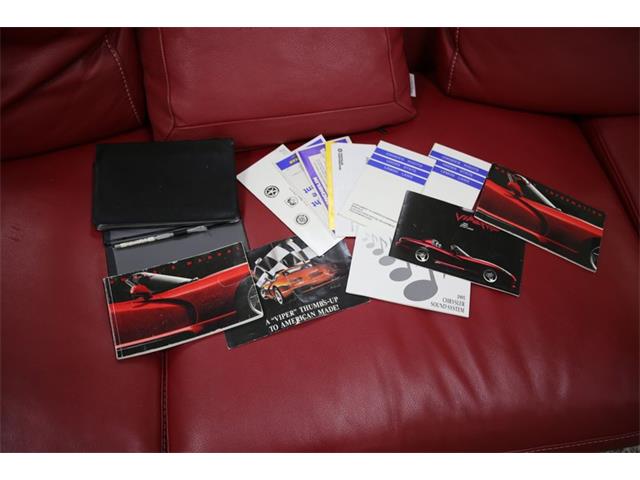
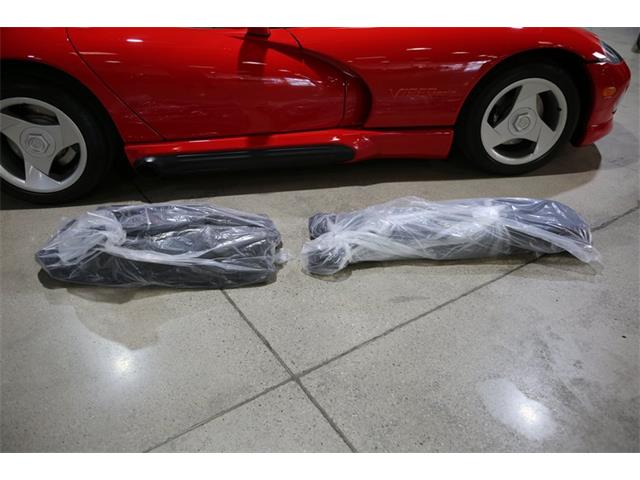
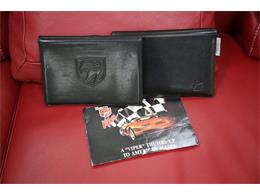
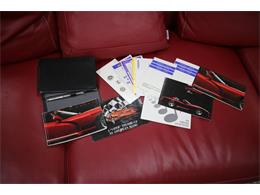
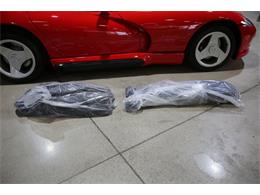
is complete with owner's manuals and all canvas top and windows. An
excellent example at a tremendous value.
Great lease rates and Financing also available on any of our
inventory!
Buy Sell Trade Consignments Welcome!
Please email concierge@fusionluxurymotors.com or call
1-818-773-8181
About the Viper:
The Dodge Viper is a sports car that was manufactured by Dodge (SRT
for 2013 and 2014), a division of American car manufacturer FCA US
LLC from 1991 through 2017, having taken a brief hiatus in 2007 and
from 2010 to 2012. Production of the two-seat super car began at
New Mack Assembly Plant in 1991 and moved to Conner Avenue Assembly
Plant in October 1995.
The Viper was initially conceived in late 1988 at Chrysler's
Advanced Design Studios. The following February, Chrysler president
Bob Lutz suggested to Tom Gale at Chrysler Design Center that the
company should consider producing a modern Cobra, and a clay model
was presented to Lutz a few months later. Produced in sheet metal
by Metalcrafters, the car appeared as a concept at the North
American International Auto Show in 1989.
Public reaction was so enthusiastic that chief engineer Roy Sjoberg
was directed to develop it as a standard production vehicle. But
then Chrysler chairman Lee Iacocca delayed approving the $70
million needed to put the sports car into production, saying it was
a lot to spend without assurance of financial return.
Sjoberg selected 85 engineers to be "Team Viper", with development
beginning in March 1989. The team asked the then-Chrysler
subsidiary Lamborghini to cast a prototype aluminum block for the
sports car to use in May. Official approval from Iacocca came in
May 1990. One year later, Carroll Shelby piloted a pre-production
car as the pace vehicle in the Indianapolis 500 race. In November
1991, the car was released to reviewers with the first retail
shipments beginning in January 1992.
The powerful two-seater, sold for roughly $50,000, ignited
immediate interest in the Dodge brand among enthusiasts and the
automotive press. Lutz hoped it would raise the spirits of the
designers and engineers who were discouraged by the homely,
unpopular cars that they had been commanded to produce. The
popularity of the Viper overshadowed the recent failure of
Iacocca's pet car, the TC, which cost five times as much to
produce.
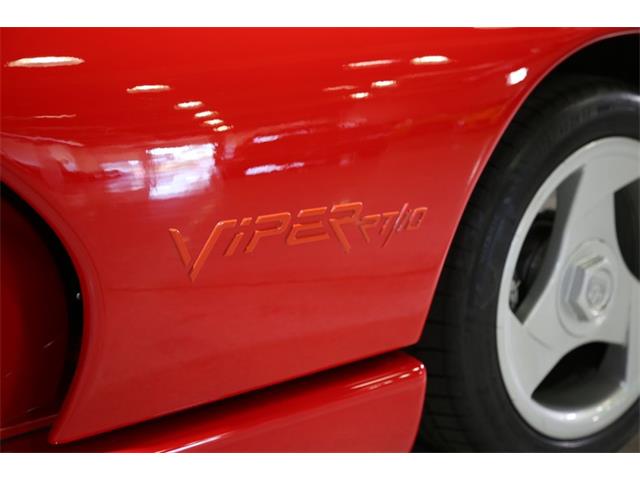
The first prototype was tested in January 1989. It debuted in 1991
with two pre-production models as the pace car for the Indianapolis
500 when Dodge was forced to substitute it in place of the
Japanese-built Dodge Stealth, because of complaints from the United
Auto Workers, and went on sale in January 1992 as the RT/10
Roadster.
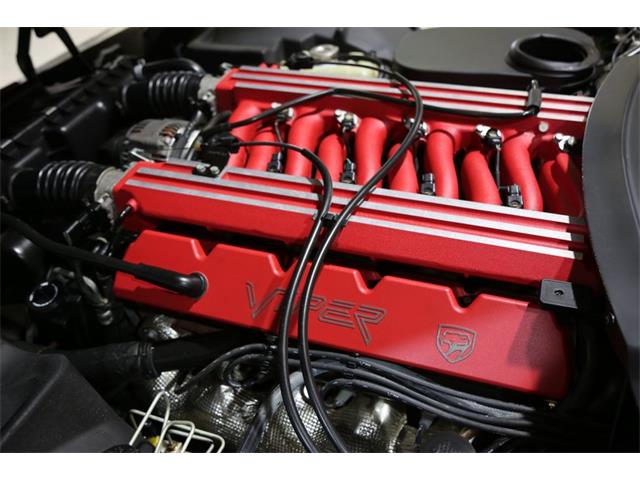
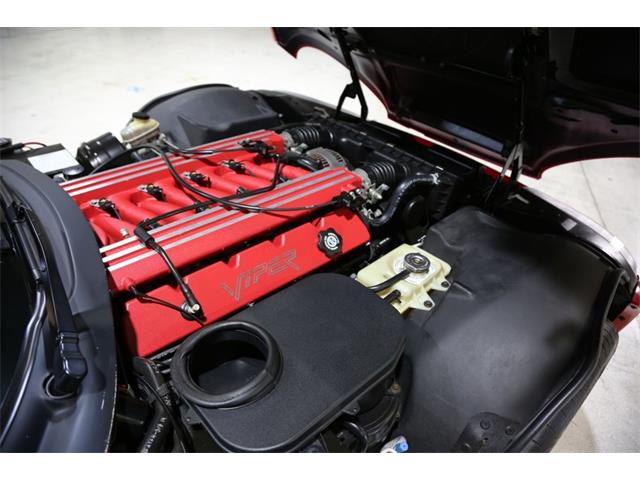
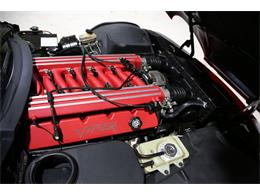
Lamborghini (then owned by Chrysler Corporation) helped with the
design of the V10 engine for the Viper, which was based on the
Chrysler's LA V8 engine. A major contributor to the Viper since the
beginning was Dick Winkles, the chief power engineer, who had spent
time in Italy overseeing the development of the engine.
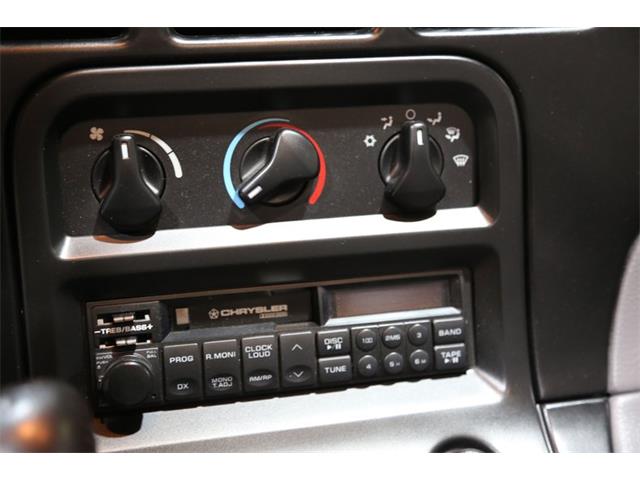
Originally engineered to be a performance car, the Viper had no
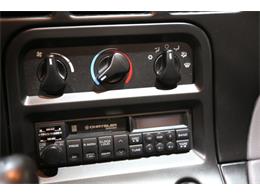
exterior-mounted door handles or key cylinders and no air
conditioning (however, this was added as an option in later models,
and climate controls featured a "snowflake" icon, which indicated a
potential setting for the A/C). The roof was made from canvas, and
the windows were made from vinyl using zippers to open and close,
much like the Jeep Wrangler. However, the Viper was still equipped
with some domestic features, including manually-adjustable
leather-trimmed sport bucket seats with lumbar support, an AM-FM
stereo cassette player with clock and high fidelity sound system,
and interior carpeting.
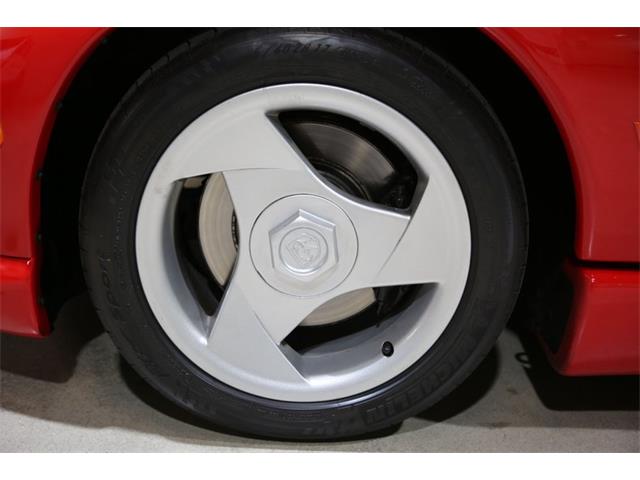
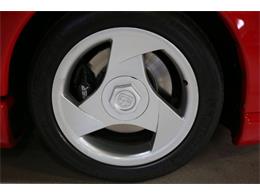
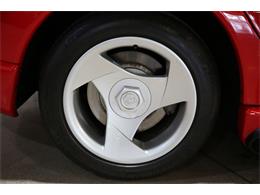
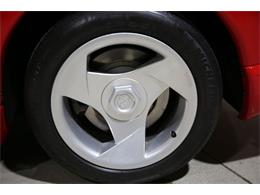
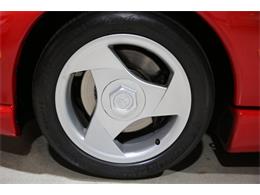
Aluminum alloy wheels were larger in diameter due to the larger
brakes. A lightweight fiberglass hard roof option on later models
was also available to cover the canvas soft roof, and was shipped
with each new car. There were also no airbags, in the interest of
weight reduction. Adjustable performance suspension was also an
available option for most Vipers.
The engine weighs 711 lbs and is rated at 400HP at 4,600 rpm and
465 lb�ft of torque at 3,600 rpm. The body is a tubular steel frame
with resin transfer molding (RTM) fiberglass panels. The car has a
curb weight of 3,284 lbs and lacks modern driver aids such as
traction control and anti-lock brakes. The SR I can accelerate from
0-60 mph in 4.2 seconds, 0-100 mph in 9.2 seconds, can complete the
quarter mile in 12.6 seconds at the speed of 113.8 mph and has a
maximum speed of approximately 165 mph Its large tires allow the
car to average close to one lateral g in corners. However, the car
proves tricky to drive at high speeds, particularly for the
unskilled driver.
ClassicCars.com has been recognized as one of the fastest-growing private companies in the United States, successfully making the Inc. 5000 list in both 2015,
2016, 2017 and 2018. This prestigious accolade represents the continued growth of the company, and ClassicCars.com's dominance as the world's largest online marketplace for
buying and selling classic and collector vehicles.
The Stevie Awards, the world's premier business awards recognized
ClassicCars.com's first-class Customer Support team with a Stevie Bronze Award in 2019, celebrating the team's skills as exemplary customer support specialists.
In 2016 The Journal, brought to you by ClassicCars.com, was celebrated as the SECOND MOST INFLUENTIAL automotive blog in the world by NFC Performance.